
So, a friend has invited you to Saturday’s game night, and poker will be the game of the evening. The catch? You don’t know how to play poker. In such a situation, it is obvious to feel out of place even in a room full of friends.
But there is no shame if you don’t know how to play poker. Everyone starts somewhere. Even professional players were beginners once and had no clue on their first day. Once you understand the basics, you are good to go and catch the flow of the game.
This beginner’s guide to learning poker explains the rules, strategies, and tips. Each section breaks down what happens at the table, why certain actions are taken, and how beginners can follow the game without feeling lost.
Common Poker Terminology to Understand Before You Play
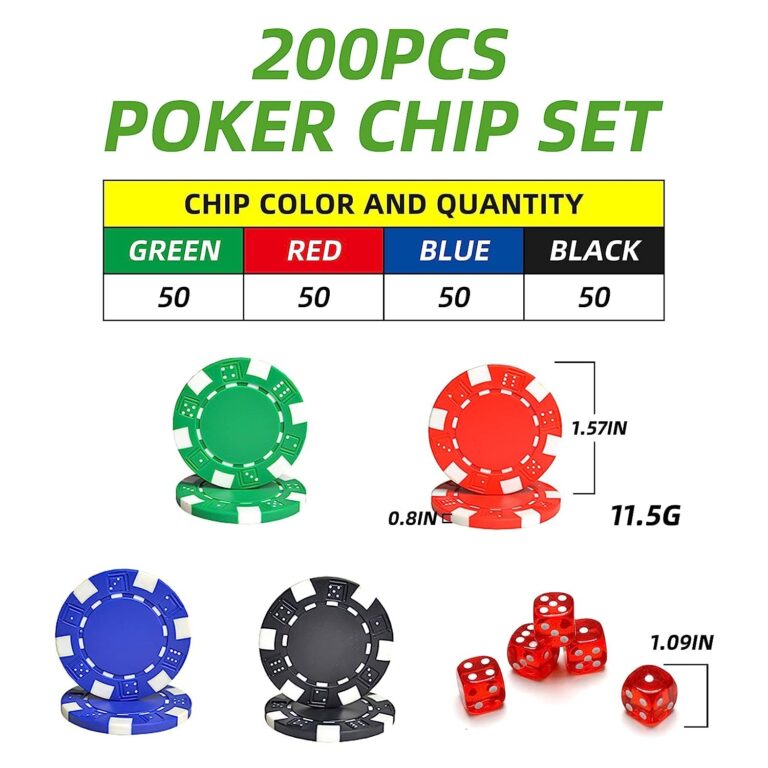
Before a single hand begins, poker already uses specific words to control how the game runs. These terms appear constantly during play, and players rely on them to signal actions and decisions. Understanding these terms helps a beginner to follow the game even if they are playing with a home casino poker chips set.
All-in
Going all-in means a player decides to place every chip they have into the pot in one move. Once this action is taken, the player cannot add more chips or change the decision later in that hand. This usually happens when a player believes their hand is strong enough to commit fully or when the remaining chips are too few to continue betting normally. After someone goes all-in, the other players must respond, and the hand moves forward with fixed stakes for that player.
Blinds
Blinds are forced bets placed before any playing cards are dealt. One player puts in the small blind, and another puts in the big blind. These bets ensure that every hand starts with chips in the pot and prevent players from waiting endlessly for perfect cards. Once blinds are posted, all other players must decide whether to fold, call, or raise based on these starting bets, which immediately sets the direction of the hand.
Community Cards
Community cards are dealt face up in the center of the table, and every player shares them. These cards help form poker hands, but they do not belong to anyone individually. Each player combines the community cards with their own cards to build the strongest possible hand. Beginners often make mistakes by focusing only on these shared cards and forgetting that opponents can use the same cards to form stronger combinations.
Flop, Turn, River
The flop, turn, and river describe the stages when community cards appear. The flop places the first three cards on the table and reveals early hand possibilities. The turn adds a fourth card, which often changes how strong or weak certain hands become. The river is the final community card, and once it appears, no further improvement is possible. Each stage changes betting behavior and forces players to rethink earlier decisions.
Showdown
Showdown happens after all betting ends and more than one player remains in the hand. At this point, players reveal their cards to the table. The player holding the strongest hand according to poker rankings wins the pot. Reaching a showdown does not guarantee success; it simply shows which decisions kept a player in the hand and which hands ultimately fell short.
Pot, Chips, Call, Raise, Fold
The pot is the total number of chips collected during a hand. Chips represent both risk and opportunity, and every bet adds to that risk. Calling means matching the current bet to stay in the hand. Raising means increasing that bet and applying pressure to others. Folding means giving up the hand and choosing not to risk additional chips.
Poker Hand Rankings (Beginner Must-Know)
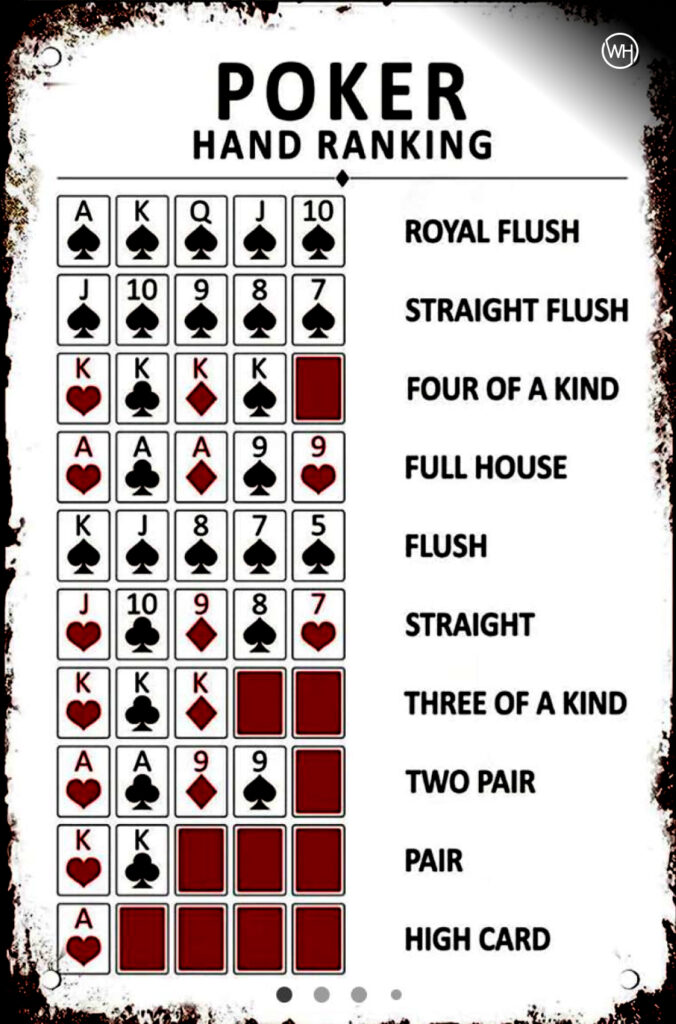
In poker, not all hands are equal. Some hands are stronger than others, and knowing which one wins can save chips. Even hands that look good at first can lose if the ranking is not clear. Watching which hands win over many rounds helps beginners understand which ones really matter.
Royal Flush
The royal flush is the strongest possible hand in poker. It contains ten, jack, queen, king, and ace, all of the same suit. This hand appears very rarely, but when it does, it almost always wins the pot. Knowing about it helps beginners understand why no other hand can beat it.
Straight Flush
A straight flush consists of five cards in numerical order, all of the same suit. It ranks just below a royal flush and defeats nearly every other hand at the table. When this hand appears, it usually controls the outcome unless an even stronger combination is present.
Four of a Kind
Four of a kind includes four cards of the same number or face. This hand often wins because repeated cards are difficult to beat. Seeing this hand at the table shows how powerful duplication can be in poker.
Full House
A full house is made of three cards of one number and two cards of another. This hand is stronger than both a straight and a flush. It frequently wins large pots, especially when other players misjudge the board.
Flush
A flush contains five cards of the same suit that are not in sequence. It looks strong and often wins, but it can still lose to a full house or a higher flush. Beginners should be careful when betting heavily with this hand.
Straight
A straight consists of five cards in numerical order, using mixed suits. While it can win hands, it remains vulnerable to flushes and full houses. Betting cautiously with a straight is often necessary, especially near the river.
Three of a Kind
Three of a kind includes three matching cards. This hand can win smaller pots but usually struggles against stronger combinations. Beginners often overestimate its strength.
Two Pair
Two pairs include two different sets of matching cards. It ranks higher than one pair but lower than three of a kind. Betting decisions with this hand requires careful timing.
One Pair
One pair is made of two cards of the same number. It appears frequently and is often overplayed by beginners. While it can win small hands, it rarely holds up in larger pots.
High Card
A high card hand contains no matching cards. The highest card determines its value. This is the weakest possible hand and loses often, especially when betting increases.
Poker Rules and Gameplay Basics
A poker round begins when players are dealt cards, and chips start moving into the pot. The first decisions happen even before most players see their full potential. Small forced bets, called blinds, or sometimes a tiny ante from everyone, start the game. These chips create tension right away, pushing action even with weak hands.
The game begins in stages. The first stage is called the pre-flop. Players look at their own cards and decide whether to call the blind, raise, or fold. Many early mistakes happen here because beginners overestimate certain cards or hesitate too long. Next is the flop, when three community cards are placed face up.
After the flop comes the turn, a fourth community card. By now, bets often increase, and the pot starts growing quickly. Players watch not only their hand but also what others might hold. The river, the fifth and final community card, is where most hands are decided.
During each stage, players have options. To check is to pass without adding chips, bet is to put money in the pot, call matches a previous bet, raise increases it, and fold removes the hand from contention. Choosing correctly can save chips, while misjudging often costs more than the hand itself.
At the end, if more than one hand remains, the showdown occurs. Players reveal their cards, and the hand with the highest ranking takes the pot. Many hands that seemed strong before the river suddenly lost here. Observing these rounds repeatedly shows which decisions matter and how each stage of play builds toward the outcome.
Essential Tips on How to Play Poker
Understanding poker goes beyond knowing the rules. Many beginners focus only on cards and bets,but long-term results come from how hands are played and how decisions are handled under pressure. Here are some practical tips for players to learn how to play poker:
Play Tight, Not Loose
Many hands appear playable at first glance but lead to steady losses. Choosing stronger starting hands reduces unnecessary risk. Beginners who avoid marginal cards protect their chips and make clearer decisions later in the hand.
Observe Opponents and Read Betting Patterns
Poker is played against people, not just cards. Watching how opponents bet, pause, or react during different stages reveals habits. These observations help guide decisions without guessing.
Importance of Position at the Table
Position affects how much information is available before acting. Players who act later can see others commit chips first, while early positions require caution. Position often determines whether a hand becomes profitable or costly.
Bluffing: When to Bluff and When Not To
Bluffs are part of the game, but misuse leads to losses. Bluffing too often or in obvious situations usually fails. Successful bluffs come when the table believes the story being told by bets, and when risks are manageable.
Practice Without Pressure
Playing free online poker or friendly games with chips instead of money allows hands to be tested without financial stress. Observing results and mistakes in these settings builds understanding faster than theory alone.
Tracking Mistakes and Learning from Them
Noticing repeated errors, such as calling too often or misreading the board, creates awareness. Reviewing these moments shows how small choices influence long-term results.
Conclusion
At the table, poker is rarely about cards alone. Hands shift unexpectedly, and small bets often carry as much weight as large ones. Paying attention to player behavior, chip movement, and rising risk teaches lessons that rules alone cannot explain.
Mistakes appear gradually, not all at once. Recognizing them allows players to adjust future decisions. Over time, sitting through hands, observing outcomes, and learning from experience can help beginners learn how to play poker.
FAQs
How to Play Poker Step by Step?
A round begins with cards being dealt and forced bets placed. Players act through pre-flop, flop, turn, and river, choosing to check, call, raise, or fold. The strongest hand at showdown wins the pot.
Is Poker Hard for Beginners?
Poker can feel confusing at first. Understanding hand rankings, betting, and reading opponents takes time. Mistakes happen often, but observing rounds and practicing help build confidence and awareness gradually.
What Does “Raise” Mean in Poker?
Raising means increasing the current bet instead of just matching it. It applies pressure, forces reactions, and can change the flow of a hand, but misjudged raises often cost more chips.
How to Play Poker with 2 Cards?
Most poker games deal two personal cards per player. These combine with community cards to form a hand. Decisions depend on card strength, position, and observing other players’ actions.
What are Common Poker Mistakes to Avoid?
Common mistakes include overplaying weak hands, ignoring position, chasing losses, bluffing too often, and misreading betting patterns. These quietly chip away at stacks, even if hands seem strong.